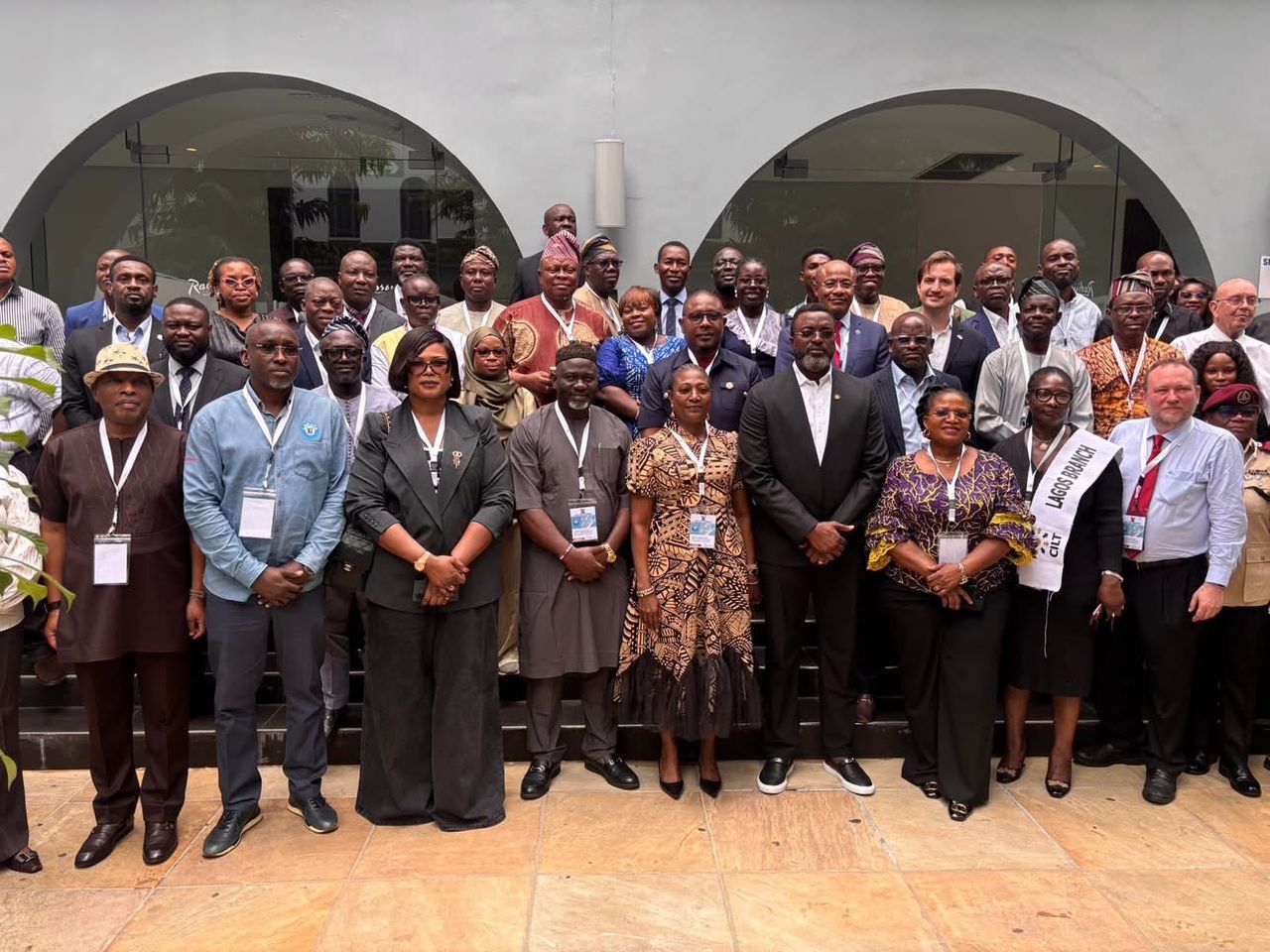
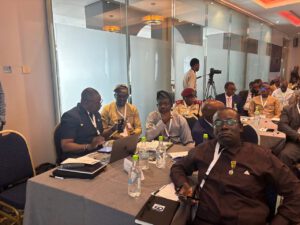
In a decisive move to reshape urban mobility, the Lagos Metropolitan Area Transport Authority (LAMATA) convened a high-level stakeholders’ workshop to update its Strategic Transport and Mobility Master Plan (STMMP), setting a clear roadmap for Lagos’ transportation needs through 2050.
The workshop, funded by the French Development Agency (AFD), brought together key figures from the transport and economic sectors. Among them were the Lagos State Commissioner for Transportation, Mr. Oluwaseun Osiyemi, Special Adviser on Blue Economy, Mr. Oluwadamilola Emmanuel, the Managing Director, Lagos Metropolitan Area Transport Authority (LAMATA), Engr. Mrs. Abimbola Akinajo, the General Manager, Lagos State Parking Authority (LASPA), Mrs. Adebisi Adelabu and representatives from multiple ministries, the Nigerian Railway Corporation, and the Ogun State Ministry of Transportation. 
Delivering the keynote address, Osiyemi announced a major policy shift, stressing that expanding road infrastructure alone can no longer solve Lagos’ congestion challenges. He emphasized that mass transit will now anchor the state’s strategy, with a focus on expanding rail systems, strengthening Bus Rapid Transit (BRT), and developing structured ferry services into a fully integrated, multimodal network. He also outlined plans to modernize public bus fleets with cleaner energy and improve last-mile connectivity, aiming to create a more accessible, efficient, and pedestrian-friendly city.
On her part, Engr. Akinajo underscored the urgency of the updated master plan, citing projections that Lagos’ population could reach 45 million by 2050. With more than 20 million daily trips already recorded, she described the need for a resilient and forward-looking transport strategy as critical.
She revealed that the planning process has reached an advanced stage, with extensive multimodal surveys completed and a new travel demand model developed. According to her, stakeholder input at this phase is essential to shaping a plan that reflects the scale and ambition of Lagos’ future.
The workshop also featured technical presentations from the ROM/AEC consortium, alongside contributions from key state ministries and agencies, including those responsible for economic planning, urban development, transportation, infrastructure, and waterways management.