

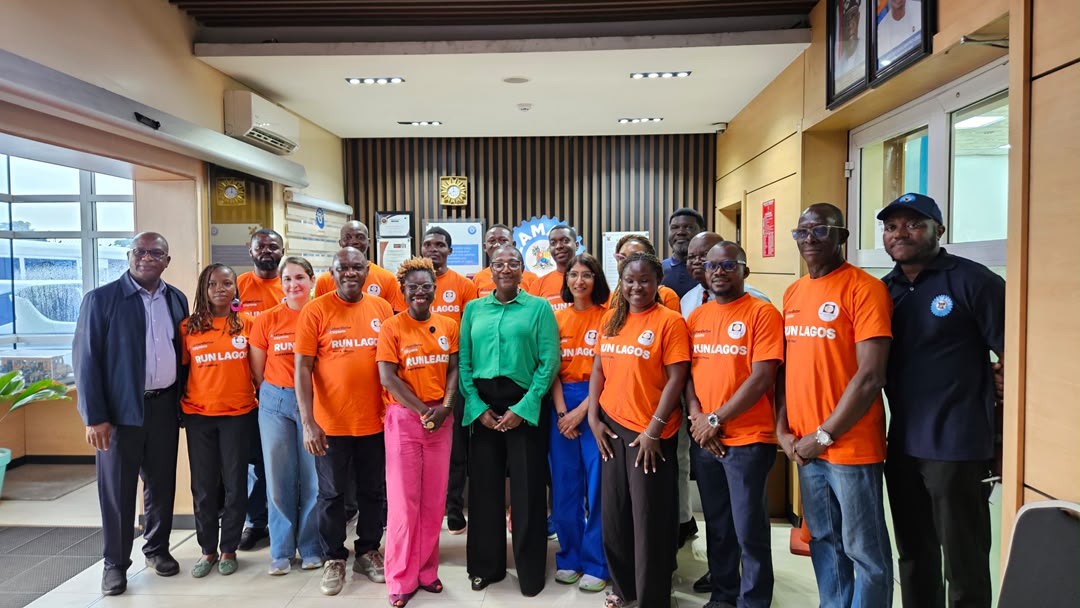
The Managing Director of the Lagos Metropolitan Area Transport Authority (LAMATA), Engr. Mrs. Abimbola Akinajo, has reaffirmed the Authority’s commitment to promoting climate-resilient and people-centred urban mobility by hosting the Hotsteppers project team, a three-year climate-health initiative focused on the impact of extreme heat on outdoor workers, commuters, and pedestrians in Lagos.
Funded by the Wellcome Trust, the Hotsteppers project seeks to deepen understanding of the growing health risks associated with extreme temperatures and develop practical solutions to protect vulnerable populations in the city.
As climate change continues to increase the frequency and intensity of heat events, millions of Lagos residents who walk, cycle, commute, or work outdoors face heightened risks of heat-related illnesses. Despite these challenges, extreme heat remains an under-recognised issue in transport planning, urban development, climate adaptation, and public health policy.
The project is led by Professor Tolullah Oni and brings together a multidisciplinary consortium of researchers, policymakers, urban planning experts, civil society organisations, media partners, and local communities. The collaboration aims to generate robust evidence on urban heat exposure, raise public awareness, and inform policies and interventions that will contribute to healthier and more climate-resilient cities.

Key partners in the initiative include the Lagos Metropolitan Area Transport Authority (LAMATA), Lagos Urban Development Initiative (LUDI), Ruban Office, the University of Lagos Centre for Housing and Sustainable Development (CHSD), IMS Epidemiology, and the University of Cambridge.
Speaking during the meeting, Engr. Mrs. Akinajo commended the initiative, describing it as timely and highly relevant to Lagos’ sustainable mobility and climate adaptation agenda.
She reaffirmed LAMATA’s readiness to collaborate with the project team, noting that the Authority remains committed to supporting evidence-based initiatives that improve the safety, health, and wellbeing of commuters while advancing sustainable urban transport solutions.
The engagement marks another step towards integrating climate resilience into transport planning and ensuring that Lagos continues to build a transport system that is responsive to the evolving challenges posed by climate change.