
The Lagos State Government has taken a significant step toward transforming the movement of goods across the state with the commencement of consultations for a comprehensive Lagos Freight Policy and Regulatory Framework aimed at improving efficiency, reducing congestion, and strengthening economic growth.
The initiative, themed “Smart Freight for a Thriving Lagos,” is funded by the Agence Française de Développement (AFD) and supported by consultants ITS/FAOCON.
It brings together key stakeholders across the freight, logistics, and transportation sectors to identify challenges, address operational overlaps, and develop a coordinated regulatory framework for the state.
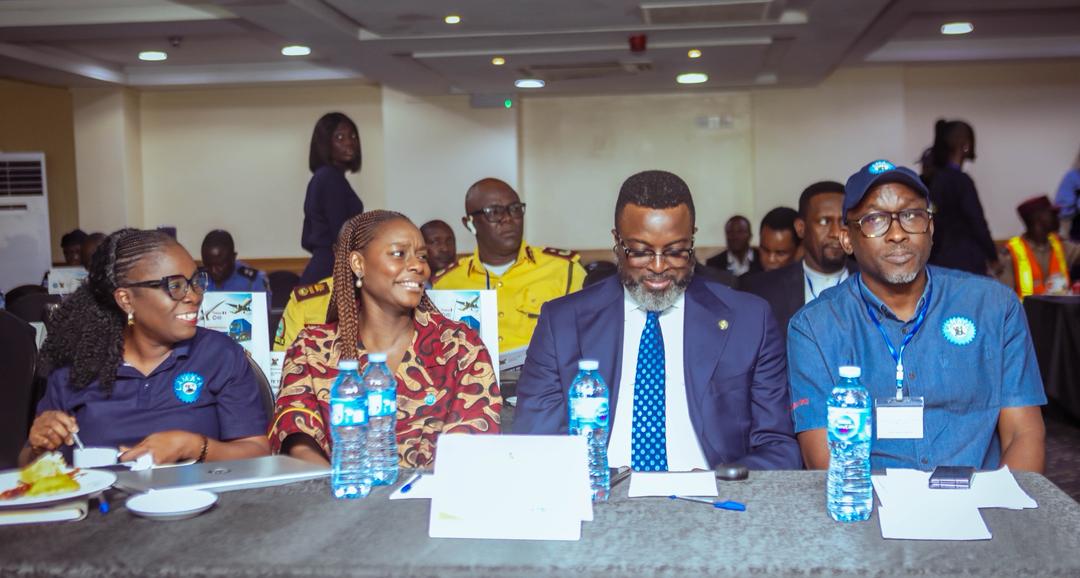
Speaking at the stakeholder engagement session, the Commissioner for Transportation, Mr. Oluwaseun Osiyemi, said Lagos must adopt a modern and integrated approach to manage increasing freight volumes driven by rapid urbanization and industrial expansion.
“Addressing these challenges requires more than physical infrastructure alone,” Osiyemi said. “It demands a coherent policy framework, regulatory alignment, institutional coordination, and the deployment of smart and innovative solutions that improve efficiency while supporting economic growth.”
The Commissioner noted that the administration of Governor Babajide Sanwo-Olu is implementing far-reaching reforms to modernize the freight and logistics sector, including the transition to cleaner and safer Compressed Natural Gas (CNG)-powered trucks, expansion of multimodal transport infrastructure, and deployment of technology-driven solutions such as electronic call-up systems and intelligent transport systems.
The Managing Director of the Lagos Metropolitan Area Transport Authority (LAMATA), Engr. Mrs. Abimbola Akinajo, represented by the agency’s Technical Adviser, Planning, Engr. Osa Konyeha, assured participants that the proposed framework is intended to harmonize freight operations and improve coordination among relevant agencies rather than create additional layers of bureaucracy.
According to the state government, the policy will not alter or duplicate the statutory responsibilities of existing Federal and State Ministries, Departments and Agencies (MDAs). Instead, it is designed to eliminate institutional bottlenecks, reduce operational duplication, and strengthen collaboration among stakeholders.
When completed, the framework is expected to support the development of a freight ecosystem that is safe, efficient, sustainable, and investment-friendly, while enhancing Lagos’ position as West Africa’s leading commercial hub.
Key focus areas of the proposed policy include:
* Smarter Regulation and Innovation to encourage private-sector participation and investment;
* Cleaner Freight Operations through the adoption of CNG-powered truck fleets and environmentally sustainable practices;
* Multimodal Integration linking road, rail, and maritime transport systems to improve cargo movement and reduce traffic congestion.
Mr. Osiyemi stressed that the success of the initiative would depend on broad stakeholder collaboration and consensus-building.
He added that by incorporating recommendations from operators, regulators, industry experts, and other stakeholders, Lagos is laying the foundation for a practical and implementable freight policy capable of supporting long-term economic growth and sustainable urban mobility.
The engagement marks another milestone in Lagos State’s efforts to build a smarter, more resilient transportation system and create a freight network capable of meeting the demands of Africa’s fastest-growing megacity.